
Meet New 1995 Society Inductee, Aly Brodsky!
Meet New 1995 Society Inductee Aly Brodsky!
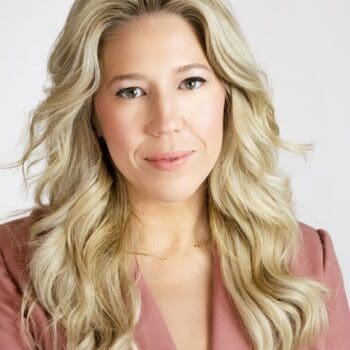
Aly Brodsky is equal parts policy powerhouse and get-it-done guru. With a career spanning nonprofit leadership, political strategy, and high-level agency reform, she’s been at the center of some of the country’s most ambitious social service overhauls. As Assistant Secretary of Family Support at DCFS, she co-chaired the Louisiana Workforce and Social Service Reform Task Force and helped launch the SUN Bucks summer EBT program in just 45 days—delivering $80 million in grocery benefits to over 665,000 kids (yes, you read that right). Most recently, she served as Deputy Secretary at DCFS, steering the agency through major reforms and stabilization.
Before she was building better systems from the inside, Aly was working behind the scenes to advance free market ideas and strategic policy reforms nationwide. Whether she’s reshaping public agencies or nerding out over how to streamline social services, Aly brings big-picture vision and boots-on-the-ground grit to everything she does.
What moment or opportunity in your life played the most significant part in getting you to where you are today?
My background is pretty gritty. I was a kid who really struggled in school, mostly because of undiagnosed ADHD. Honestly, I’m still not sure how I managed to graduate high school. Learning that I had ADHD in college was a turning point, it changed everything. Even though I was doing well academically, I left during my final year to run my first political campaign. Not finishing my degree has always been a quiet source of insecurity, and my way of coping was simple: outwork everyone. That became my default setting: just work harder. I didn’t have boundaries. I didn’t have routines for rest or stress management. And for a long time, I thought that was fine because it had always worked. Despite warnings from thoughtful peers and even executive coaches, I genuinely believed I was just wired that way.
I would distill my “aha moment” into this: If you do not learn to rest in the ordinary, you will not be able to perform in the extraordinary. So much of higher leadership is absorbing pressure that you do not want your team to feel. You absorb structural pressure, leadership pressure, and financial pressure that, if not managed well, will be a destructive force. No one really talks about that in those “girl boss” graphics. Rest was not critical in my earlier career, but in leadership, it became my fail point.
Right before the pandemic hit, Pelican had just staffed up in anticipation of growth. We had been smart with our finances, but as a newer organization, we didn’t have the reserves or deep-rooted relationships that more established institutions rely on in a crisis. Keeping the organization stable, making sure we didn’t lose momentum, staying focused enough to deliver results, and at the same time, trying to care for myself and my family, demanded everything I had. Like many others, I was dealing with personal challenges on top of immense professional pressure. By the end of the year, we had come out stronger than we started, but I was completely depleted. The spark that had fueled so much of my earlier success was gone. I felt numb, disconnected, and deeply exhausted. I knew then that the only way forward was to reset how I approached work fundamentally. With a lot of support, I was able to do just that. Without that intentional recovery, I wouldn’t be where I am today, and even if I had made it to this point, the weight of running a child welfare agency would have been unbearable.
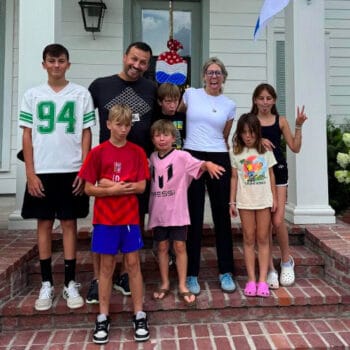
What piece of work or accomplishment are you most proud of?
The “One Door” reforms were passed in the legislature this past session. This is a massive restructuring of executive agencies that reforms workforce services and social services in Louisiana to help individuals transition from dependence to independence. I was a part of that vision at the Pelican Institute from early concept, formation, and strategy development to executive branch implementation. No one solution fits all, but I genuinely believe the progress made in Louisiana will be part of a national roadmap and one that will impact millions of families.
That level of impact for me proves that excellent ideas without a well-developed strategy will just remain excellent ideas, which was fundamental to Pelican’s freedom infrastructure strategy. Every lever to the extent possible was accounted for, and though we had our set of obstacles, the work was completed unanimously. Leaving an organization I helped build to serve in an appointed capacity was challenging, but I believe those decisions helped shape the outcome.
In your words, what motivates your belief in freedom?
Freedom is the great equalizer; it’s what allows hard work and determination to matter more than where you started. I’ve seen firsthand how opportunity can change the trajectory of a life. That’s what drives me: the belief that everyone, no matter their circumstances, deserves the chance to build a future through their effort, and government should not stand in the way of that potential. Freedom is not just an ideal; it’s the foundation that makes hope possible.

What do you believe is the greatest challenge facing America today?
My grandmother was a Korean immigrant who spent her childhood and early adulthood on dirt floors. She moved to America when my mom was a toddler and worked at Burger King for almost 30 years. Every morning at 4 a.m., you would find her mopping her floors. I didn’t know then that she spent her life on dirt floors and thought the mopping was unnecessary. Years after she passed, my grandfather told me why she worked so hard to clean those floors every day. I had no idea, and learning that really framed my “why.” She knew what life without looked like, and she protected and cared for what she had here.
That, to me, is the greatest challenge facing America today: too many of us have never known ‘life without.’ When you don’t feel connected to what it’s like to live without freedom or opportunity, you stop taking care of the things that protect them. The tile floors become a comfortable expectation. I fear that we’re losing the instinct to preserve the very systems and values that gave us this opportunity in the first place, and make America a place where you could achieve, no matter where you start in life.
What is the next big goal or project you’re working on? How can the AF community help?
Right now, my focus is on making Louisiana a national model for helping families move from dependence to independence in my appointed capacity. But I believe the lessons we’re learning about reducing bureaucracy, focusing on outcomes, and building systems around people instead of process have significant implications for child welfare as well. The AF community can help by keeping the conversation about family and children front and center. The more we push for reforms that prioritize safety, stability, and strong families, the closer we get to real, generational change. I am working on a project that I am really excited about so stay tuned!

What advice do you have for those who want to advance liberty and make a difference in our society?
Stay curious, and don’t be afraid to face yourself, including the impact you have on others. The most effective leaders I know are deeply self-aware; they understand their unique strengths and lean into them instead of trying to be everything to everyone. And remember, big wins take a lot of hands and diversified skillsets. Build real, meaningful relationships, because lasting change happens when strong ideas meet strong networks.
What are some hobbies/side gigs/secret skills no one knows about?
Writing. For years, it was something I kept entirely to myself. When I was a foster parent, I wrote to process the grief of saying goodbye to children I loved when they reunified with their family, a goodbye that was joyful for them but heartbreaking for me. I later revisited some of that writing, mostly poetry, and realized how much beauty lived in those words. Joining the administration pushed me to start writing again, this time with purpose. I’ve been working on a book, which still feels like a secret I’m just now learning to share.
What are you watching/reading right now?
I never fully read a book at once and thumb through a few at a time. The current books are Incognito: The Secret Lives of the Brain by David Eagleman (re-read) and Reset by Dan Heath.
What does winning this award mean to you?
In the day-to-day work, you rarely stop to celebrate; you’re too focused on the next challenge, the next solution, the next family or child who needs help. Winning this award is a rare pause, and that feels powerful. It’s not just recognition of my work; it’s a reminder that the long hours, tough choices, and relentless focus on outcomes matter. More importantly, it shines a light on the bigger mission, proving that when you push for real change, people notice, and that attention can open doors for even greater impact.